In recent years, freestanding emergency rooms (ERs) have emerged as essential components of the healthcare landscape. They have mainly played a crucial role in addressing local healthcare needs and enhancing the healthcare ecosystem within communities. Unlike traditional hospital-based emergency departments, freestanding ERs offer a unique model of care delivery as they bring emergency medical services closer to residents. First, freestanding ERs are pivotal in improving access to emergency medical care, especially in areas where the nearest hospital may be geographically distant. Rural communities, in particular, often face challenges in accessing timely emergency services due to long travel distances. Freestanding ERs bridge this gap by providing nearby emergency care facilities, reducing the time it takes for individuals to receive critical medical attention. Freestanding ERs also contribute to the overall resilience of healthcare systems by lessening the burden on overcrowded hospital emergency departments. By diverting non-life-threatening cases to freestanding facilities, hospitals can prioritize the treatment of more severe emergencies, leading to improved patient outcomes and reduced wait times. This also helps optimize resource allocation within the broader healthcare system, ensuring efficient resource utilization to meet the needs of the community. Moreover, freestanding ERs enhance community preparedness and disaster response capabilities. In natural disasters or public health emergencies, these facilities serve as critical hubs for emergency medical services, providing immediate assistance to those affected. Their presence strengthens the community's ability to respond swiftly to crises, thereby minimizing the impact of emergencies on public health and safety. Additionally, freestanding ERs often collaborate with local emergency management agencies and healthcare providers to develop comprehensive disaster response plans, further boosting community resilience. There is also the demand for prompt and effective emergency care, another key driver for freestanding ERs. As chronic diseases and injuries increase, there is a growing need for emergency medical services that can provide rapid and efficient care. Freestanding ERs situated in convenient locations, such as shopping malls and retail centers, offer an accessible and convenient option for individuals in need of emergency care. Additionally, the strategic placement of these facilities in high-traffic areas not only enhances accessibility but also increases visibility, raising awareness about the availability of emergency services within the community. Beyond emergency care, freestanding ERs also contribute to community preventive healthcare efforts. Many of these facilities offer additional services such as diagnostic imaging, laboratory testing, and preventive screenings, allowing residents to access essential healthcare services closer to home. By promoting preventive care and early detection of health issues, freestanding ERs empower individuals to take proactive steps toward maintaining their health and well-being, ultimately reducing the incidence of severe medical emergencies. These facilities are also increasingly integrating advanced technology, enhancing their capabilities to deliver high-quality care. These facilities leverage cutting-edge technology to speed up diagnosis, improve treatment outcomes, and streamline patient care processes. Advanced services such as telemedicine enable remote consultations with specialists, facilitating timely access to expertise and expanding the scope of care available to patients. Additionally, freestanding ERs serve as economic engines within their communities, driving job creation and economic growth. These facilities require skilled healthcare professionals, support staff, and administrative personnel, all contributing to local employment opportunities. Additionally, freestanding ERs generate revenue for local economies through patient visits, medical services, and ancillary offerings. Their presence can stimulate growth in surrounding businesses, such as pharmacies, restaurants, and retail establishments, further reinforcing the economic life of the community.
0 Comments
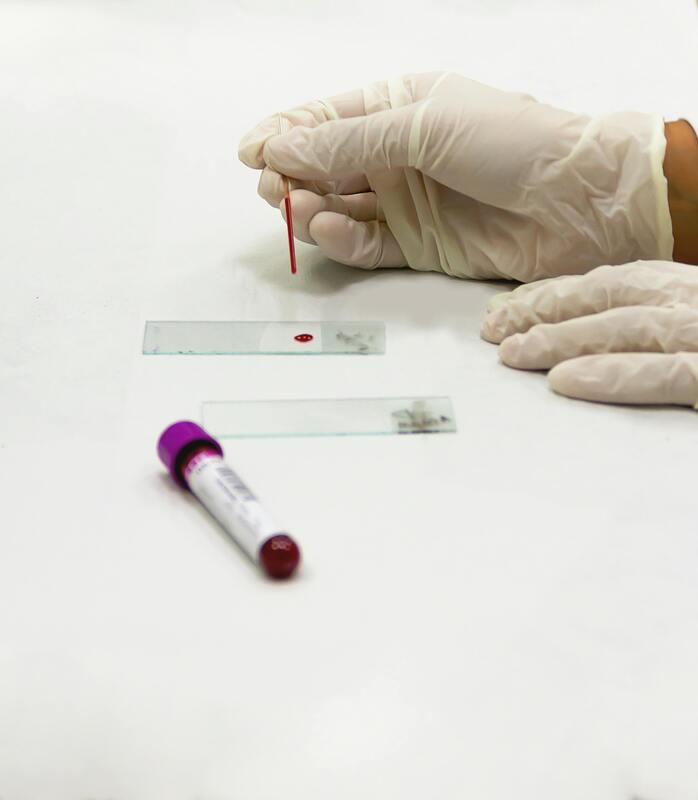 Blood tests are laboratory procedures that involve a series of procedures to analyze a blood sample, followed by a detailed report for various purposes. A blood test may be part of your routine physical examination to check your overall health, screen for at-risk individuals, monitor chronic conditions, diagnose disease, or detect genetic mutations. The tests indicate that the blood constitution fits the regular rates.
Other specialized blood tests focus on specific conditions, including autoimmune diseases, allergies, cancerous disorders, endocrine system, and heart disease. Blood tests form a significant part of diagnosis and subsequent determination of the attendance plan, including in emergencies. The primary blood tests include a complete blood count (CBC), comprehensive metabolic panel (CMP), lipid blood test, and coagulation test. The CBC counts and measures your red and white blood cells and platelets. For the red blood cells, CBC mainly focuses on the white and red blood cells and platelets. The specialized tests for red blood cells include the hematocrit tests, which measure the percentage of red blood cells in your body. Regular percentages range between 40 and 45 percent. Also, the test establishes variation in the size and volume of your red blood cells with specialized cells such as the distribution width and the mean corpuscular volume test. Secondly, CBC measures the hemoglobin levels. Hemoglobin is the protein in red blood cells that carries oxygen for circulation. Tests for white blood cells include the complete white blood cell count to determine the number compared to standards and the differential white blood cell count, which tests the main components of the cells and their proportion to each other. The test includes a platelet count and volume for platelets, which are the primary clotting agent in blood. The second primary blood test, CMP, measures glucose levels, fluid balance, electrolytes, and kidney and liver functions and consists of several tests. The first, the alanine aminotransferase (ALT) test, focuses on the ALT enzyme produced in the liver. ALT helps the liver break down proteins for the body to use. Secondly, an albumin test also focuses on the liver, but it tests for albumin levels, a protein that transports vitamins, hormones, and enzymes in the body. Abnormal levels indicate liver or kidney issues. The third primary CMP test, the total protein test, determines the levels of two main proteins: albumin and globulin. High levels indicate kidney and liver problems, while low levels indicate inflammation, bone marrow disorder, and infection. Other specialized tests measure the volume of nitrogen, calcium, sodium, chloride, sugar, phosphorus, and potassium. A lipid blood test measures different types of fats, also known as triglycerides and cholesterol, in the blood. Tests for the latter consist of four main tests. These include a total cholesterol test for low-density lipoprotein (LDL), regarded as bad cholesterol, and high-density lipoprotein (HDL). LDL is associated with heart attacks and strokes. The other tests measure the levels of individual types of cholesterol. A triglycerides test determines the amount of fat in the blood during the procedure. Lastly, coagulation tests measure blood’s ability to clot and the duration before clotting starts. The purpose is to determine the risk of excessive bleeding or spontaneous blood clots within the blood vessel. Common causes of coagulation issues include hemophilia, inability to clot normally, thrombophilia, excessive clotting, or liver disease. The doctor may also recommend the test before surgery to evaluate and mitigate the risk of excessive bleeding.  One of the most important aspects of maintaining a safe, properly functioning emergency room is preventing infections. Preventing infections starts with minimizing pathogens.
Medical facilities must thoroughly clean all surfaces in the operating theater and waiting room daily with disinfectants. Then, they must clean, disinfect, and sanitize medical equipment after every use. Emphasize cleaning catheters, which present urinary tract infection risks, central IV lines, where the risk is bloodstream infections, and ventilators, which risk spreading pneumonia. Then, throw out all disposable equipment immediately after use in the proper waste container. For patients, medical facilities should use the screening process to assess infection risk from the moment a patient walks in the door. Patients presenting flu-like symptoms and issues such as coughing may be contagious. Among the signs of undiagnosed transmissible respiratory infection are congestion, runny nose, and excessive respiratory secretions, requiring throat clearing. Present patients with such symptoms with a face mask and, if possible, isolate them. Then, provide hand hygiene options, such as alcohol-based hand rubs, tissues, and no-touch receptacles to dispose of items. Another vital aspect of infection control is managing crowding and patient grouping. Emergency departments often face patient surges and deal with exit blocks or patients remaining within facilities for an extended period. Managing patient flow is thus essential and begins with placing patients in a well-ventilated waiting environment, appropriately spaced apart. It also requires having a highly trained staff on hand, able to provide quality care, while expediting treatment and ensuring that patients are moving through the facility and stages of emergency care on schedule. Hand hygiene procedures, such as washing hands frequently and wearing disposable gloves, must be followed by all nurses and physicians. Water with plain or antimicrobial soap is appropriate for routine examinations, with alcohol-based hand rubs sufficient if the hands are not visibly soiled. A surgical hand scrub should precede the donning of sterile surgeon’s gloves for surgical procedures. Staff should wear personal protective equipment (PPE), such as masks and face shields, for proper respiratory hygiene and to prevent the dispersal of pathogens through coughing, sneezing, and breathing. Gloves are critical in situations where there is potential contact with body fluids, blood, non-intact skin, or mucous membranes. Similarly, protective outer clothing protects clothing and skin during procedures involving contact with body fluids or blood. Sharps safety is another critical element of the hygiene picture, as equipment with needles or blades may result in percutaneous injuries involving breaking of skin and potential infection. Nurses and physicians can easily prevent these injuries by taking care when handling sharp instruments. Then, incorporate easy-to-implement behavioral work-practice controls, including employing a one-handed scoop method of recapping needles before disposal and between uses. For example, never pass a syringe with an unsheathed needle by hand, and avoid breaking or bending needles after use. Lastly, several medical products on the market help minimize infection risks, including safety scalpels, self-sheathing anesthetic needles, and needleless IV ports. Medical facilities will find instruments that replace the finger for procedures such as suturing, anesthesia administration, palpation, and tissue retraction.  Some consider becoming an emergency room (ER) nurse an exciting role in the medical field. There are several advantages to serving in this position.
Nurses in the ER encounter various medical situations while assisting individuals in diverse circumstances. The role of an ER nurse involves triaging patients to identify the most critical injuries or medical issues. The dynamic environment provides valuable insight and hands-on experience in treating various conditions ranging from alcohol poisoning to severe burns, seizures, and heart attacks. Every day presents new learning opportunities and enables nurses to enrich their skills and expertise beyond what training alone can provide. Emergency nurses become frontline healthcare providers in hospitals. They are often the first point of contact for incoming patients. Emergency nurses evaluate patients to determine the appropriate course of action, including which physicians or specialists they need to see. Additionally, they provide essential support by calming patients, comforting their family members, and maintaining order in a chaotic and stressful environment. While all nursing positions offer a sense of fulfillment, ER nursing can also provide a profound sense of accomplishment. Despite being mentally and physically demanding, ER nurses persist because of the satisfaction their work brings. Their roles often involve delivering life-saving care and improving the health circumstances of patients. When this occurs, it can leave a lasting feeling of achievement. In healthcare, teamwork is paramount, and ER nursing epitomizes this collaborative spirit. Nurses are never alone in handling patient care; they work alongside a diverse team of professionals, including other nurses, physicians, technicians, ambulance drivers, and surgeons. Together, they ensure patients receive optimal care promptly. The sense of collective contribution to a greater cause is a significant source of fulfillment in the role. The ER nursing environment offers a reprieve for those who find paperwork burdensome. While documentation remains essential, the pace of the emergency department leaves less time for extensive paperwork and allows nurses to focus more on patient care. Compared to other departments where paperwork overwhelms staff, ER nurses enjoy more time attending to patients' needs than being tied to administrative tasks. ER nurses often have greater autonomy in patient care decisions. Unlike nurses in traditional settings like doctor's offices who primarily handle routine tasks, ER nurses actively diagnose conditions, order tests, and determine appropriate treatments. This level of involvement grants them more independence and influence in delivering timely and effective care, especially in high-pressure situations when the ER sees many patients. Emergency nurses can specialize in various areas within the medical field. For example, trauma ER nurses focus on treating severe trauma cases. Triage ER nurses determine treatment priorities based on urgency. Flight ER nurses care for patients during emergency air transport. Pediatric ER nurses focus on treating children in the ER. Transport ER nurses care for patients during facility-to-facility transport. Traveling emergency room nurses have ample opportunities for professional growth and adventure as they travel to various work locations. They may work in a rural hospital in Alaska or an urban emergency department in New York City. Each assignment presents unique challenges and learning experiences that transform each assignment into a new experience. Travel nurses also enjoy higher pay rates for their temporary positions, making it a lucrative career choice.  Emergency care is a critical component of the healthcare system, providing immediate treatment for acute illnesses and injuries. In recent years, freestanding emergency rooms (FSERs) have become a significant part of this emergency care landscape. Understanding the nuances of FSERs and their benefits can help individuals make informed decisions when emergency care is needed.
Freestanding emergency rooms are healthcare facilities that offer emergency services and are physically separate from hospital campuses. They are equipped to treat a range of conditions comparable to what a traditional hospital ER can manage. With the same state-of-the-art technology, they provide high-quality care 24 hours a day. Unlike urgent care centers, which deal with minor injuries and illnesses, FSERs are prepared for more serious conditions that require immediate attention. Key Differences and Benefits While similar in function to hospital ERs, freestanding ERs have distinct features that contribute to their growing popularity. For instance, FSERs may be owned by hospitals, health systems, or private entities. Typically, the medical professionals in these facilities are private employees. Freestanding ERs primarily serve walk-in patients, whereas hospital ERs see a higher percentage of patients arriving by ambulance. Generally, freestanding ERs have shorter wait times compared to hospital ERs, allowing for quicker access to care. If hospitalization is necessary, freestanding ERs facilitate transfers to nearby hospitals with which they often have established agreements. Strategically located in various locations, including rural areas and near shopping centers, freestanding ERs are highly accessible. One particular item of importance are insurance considerations. It's important to verify insurance coverage before visiting an FSER, as some insurance policies, particularly government ones like Medicare or Medicaid, may have different stipulations for freestanding facilities. Research indicates that each additional FSER in a county is associated with an expenditure increase of $55 per Medicare beneficiary. This suggests that while FSERs improve emergency care accessibility, they may also contribute to higher Medicare costs. The increased availability could lead to more frequent use of emergency services for lower acuity conditions, potentially driving up overall healthcare expenditures. Addressing Healthcare Needs The growth of FSERs reflects an effort to meet the increasing demand for emergency care, which has risen due to factors such as the aging population and the higher number of patients seeking acute care in EDs instead of primary care settings. By offering services closer to patients' homes and significantly reducing waiting times, FSERs aim to alleviate overcrowding in traditional hospital ERs. Freestanding emergency rooms have emerged as a complementary option to hospital-based ERs, offering a variety of benefits including reduced wait times, convenient locations, and the potential for more personalized care. However, they also present challenges such as potential increases in healthcare costs due to higher utilization rates. As the healthcare landscape continues to evolve, the role of FSERs will likely expand, making it crucial for patients to stay informed about the services that they provide and the implications for insurance coverage. When selecting an emergency care provider, it is vital to consider these factors to ensure timely and effective treatment.  Jeanne Shipp studied nursing at Lee College in Baytown, Texas. She owns and supervises Hospitality Health ER and Baymount Emergency Room, LLC. Jeanne Shipp co-founded these two Texas-based centers, which are privately owned freestanding emergency rooms. She adopts different strategies to ensure the satisfaction of patients and their families.
Freestanding emergency rooms have a higher approval rating than hospital ERs, in large part because they experience shorter wait times before being seen by a doctor or nurse. The subpar quality of service provided in overcrowded ERs, which are often found in hospitals, can drive patients away. One approach to improving the flow of patients through an ER and improving patient care is employing the services of a concierge, or a person whose sole job is to answer questions of patients and their families. This can help free up the time of clinical staff to better tend to patients, as both patients and ER visitors often have no qualms about interrupting busy healthcare professionals by asking general information questions. The emergency room is where patients’ families and friends stand by while they are treated. Another point appreciated by those visiting an emergency room is to make essential items like food or snacks available for visitors in the ER, as visits to the ER are never planned. 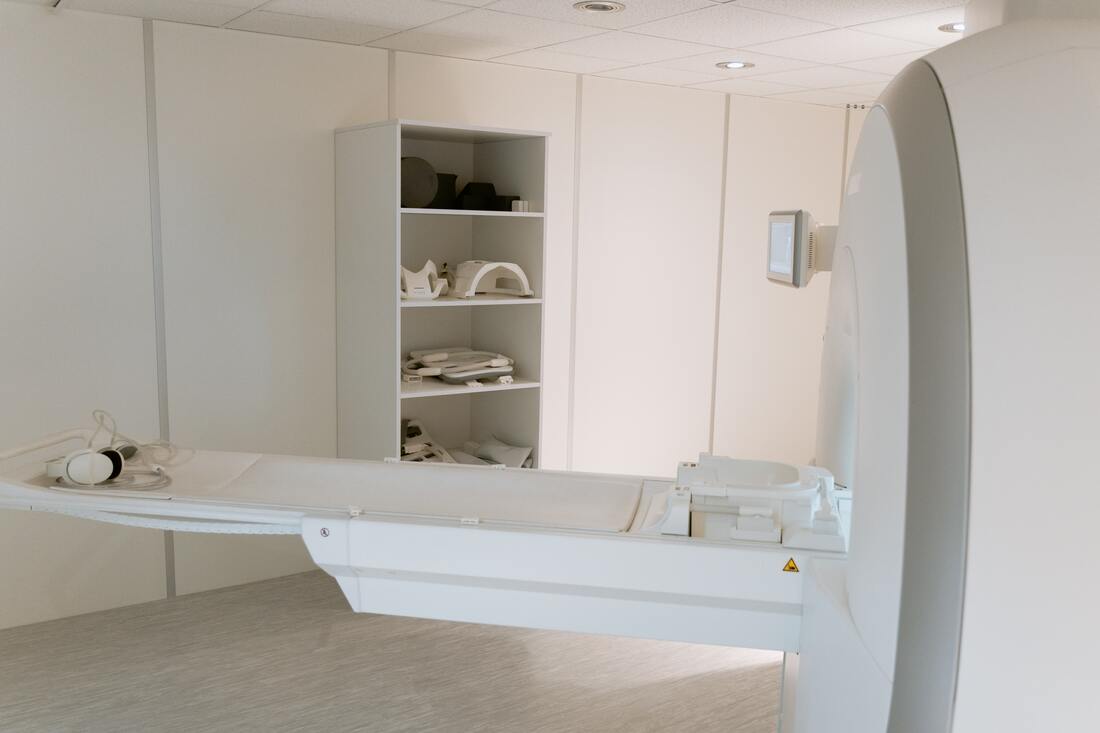 With extensive experience in healthcare administration, Jeanne Shipp co-founded and owns a family-owned business in Texas. Through her leadership, the emergency room has achieved significant success as a privately owned facility. Jeanne Shipp's role entails overseeing the daily operations, licensing, and ensuring compliance with state regulations, particularly in areas such as radiology.
A branch of medicine, radiology has broad applications and three sub-disciplines that leverage medical imaging techniques for diagnosing and treating injuries and diseases within the human body. The three major types of radiology are diagnostic radiology, radiation oncology, and interventional radiology. Diagnostic radiology helps analyze the inside of the body. Using diagnostic radiology tools, healthcare providers diagnose conditions such as heart disease, colon cancer, and breast cancer. Diagnostic radiology also involves monitoring the body to vet its response to treatment. Some imaging techniques produce radiation. High-energy radiation can help destroy cancer cells or halt their growth. Radiation oncology builds on this, focusing on managing cancer by subjecting the abnormal cells to targeted doses of radiation. Radiation oncologists determine the ideal doses for specific cancers to maximize effectiveness and minimize harm to healthy tissues while also selecting the most suitable therapy for patients. Interventional radiology focuses on leveraging the visual aids of imaging tools such as ultrasound, CT, and MRI to guide invasive medical procedures. The levels of visualization provided by these tools minimize the need for large surgical incisions and mitigate invasive surgical practices. Interventional radiology is applicable in cancer treatment, uterine fibroid treatment, kidney interventions, and the treatment of blocked vessels, among others. With interventional radiology, these procedures are less invasive than traditional surgery and improve patient outcomes. 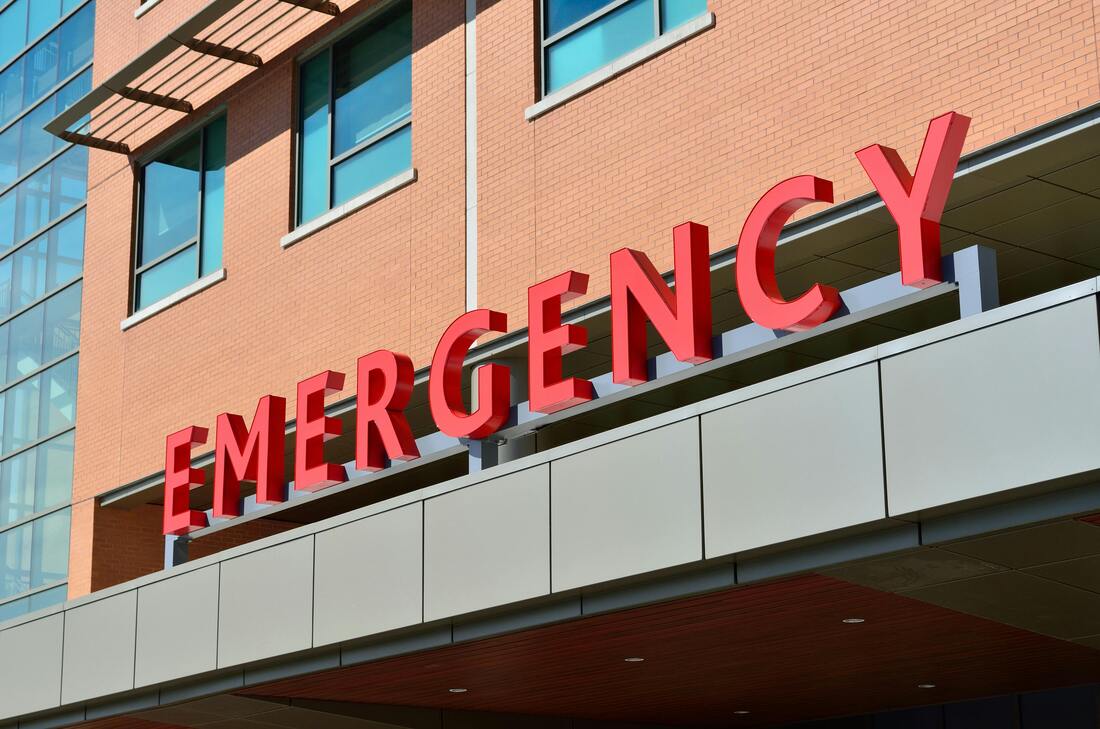 An experienced healthcare administrator with a nursing degree from Lee College in Baytown, Texas, Jeanne Shipp owns two healthcare facilities: Hospital Health ER in Longview and Baymont Emergency Room, LLC in Baytown. At Baymont, Jeanne Shipp oversees the daily operations of the emergency room department, along with other important responsibilities.
Effective emergency room management involves preparing for various scenarios and ensuring timely and appropriate patient care. To prepare for emergencies, hospital emergency rooms and other healthcare facilities need to establish a comprehensive plan that is regularly rehearsed and includes streamlined processes for patient intake, diagnosis, treatment, and follow-up. Doing so can help prevent casualties and improve outcomes for patients needing urgent care. To ensure emergency room preparedness, a multi-faceted approach is necessary. Building workforce capacity and resilience by integrating resilience programs such as stress first aid and crisis leadership training is essential to equip the emergency room team with the necessary skills. Additionally, fostering a culture of preparedness within the team can empower staff to respond effectively in an emergency. Effective emergency preparedness also necessitates robust cross-sector partnershipforle seamless coordination and response during a crisis. Emergency department managers and leaders can engage with various stakeholders in public health, fire and emergency medical services, law enforcement, and other relevant sectors to bolster preparedness.  Jeanne Shipp is part of Texas’s freestanding emergency department industry, owning and operating two facilities in Longview and Baytown. To improve her locations’ services, Jeanne Shipp maintains membership with the Texas Association of Freestanding Emergency Centers (TAFEC).
The concept of emergency departments not associated with hospitals dates back to the 1970s to provide emergency care to rural patients living far from hospitals. Proponents of freestanding ER claim that wait times are often shorter than in hospitals while offering the same level of care. In addition, they relieve the load on hospitals. In addition, every freestanding ER is required to have a physician present at all times. The Texas Legislature licensed freestanding ERs in 2009 to regulate such facilities that were already open. The bill standardized operating hours and set criteria for operations and services provided. TAFEC was instrumental in convincing lawmakers to enact a two-year licensing period to reduce administrative costs.  Jeanne Shipp is a Baytown, Texas, medical executive who directs Hospitality Health ER, the Patients Emergency Room, and other freestanding emergency rooms. Committed to supporting local education, Jeanne Shipp has significantly contributed to the Goose Creek Consolidated Independent School District (CISD).
As reported in the Baytown Sun, local athletes Lee College's men’s basketball team partnered with Goose Creek CISD in providing mentoring in early 2023. Navigator players regularly visited campuses such as Hopper, Alamo, and Harlem elementary schools, delivering a message of “growth through education.” As Nick Wade, the Lee College head coach, described it, student-athletes who participate in the program report feeling a sense of joy at the energy and enthusiasm sparked by their visits and seeing their impact on young people’s lives. Wade emphasizes that learning takes many forms, from teaching and reading to sports and the arts. Through creating a positive environment and showing what is possible with a degree and determination, Lee athletes provide the impetus for elementary school students to continue striving and excelling at what they love most. One representative engagement was a food distribution event that brought student-athletes to Hopper Elementary and involved a healthy dose of basketball-related mentorship and fun. |
AuthorJeanne Shipp - Entrepreneur Guiding ER Clinics across Texas. Archives
December 2022
Categories
All
|
 RSS Feed
